
500 Hyundai fuel cell vehicles delivered in China
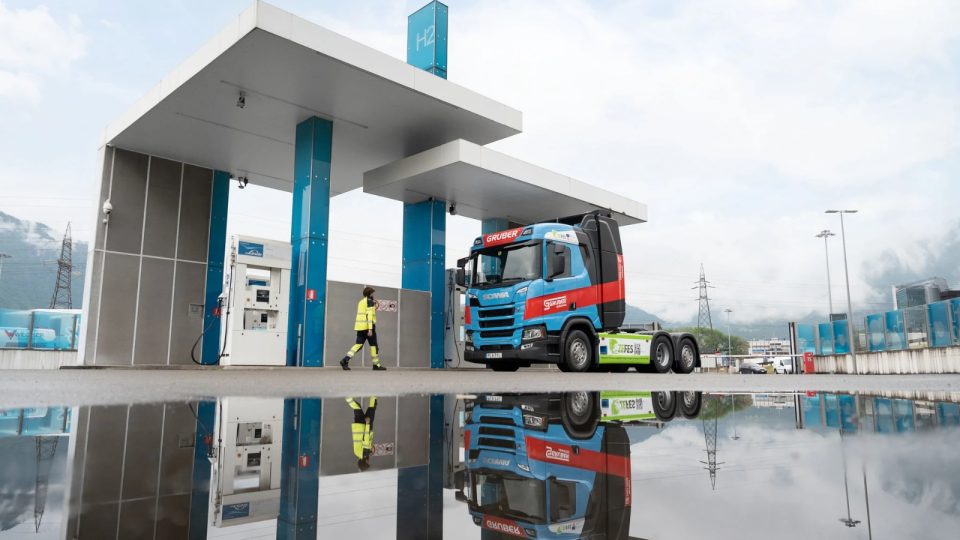
The vehicles were delivered to some commercial operators nearby the city of Guangzhou. This 500 FCEVs include logistic vehicles, freezer trucks, road sweeper and buses.
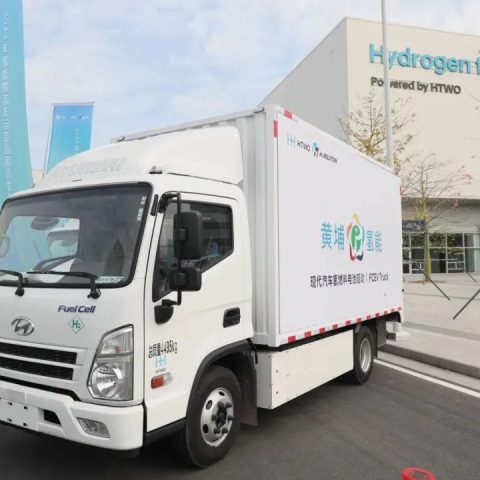
Under the local joint venture H2 Solutions, Hyundai managed to deliver about 500 fuel cell trucks in China at the end of 2023. The vehicles were delivered to some commercial operators nearby the city of Guangzhou. This 500 FCEVs include logistic vehicles, freezer trucks, road sweeper and buses.
The efforts of Hyundai in fuel cell vehicle development
According to China Hydrogen Bulletin, the vehicles are part of a broader order of 1,500 fuel cell system supply, which is supposed to be delivered by the end of the current year. It comes from a MoU between government of Guangdong Province and Hyundai HTWO Guangzhou, with the latter being the innovation and manufacturing base of Hyundai Motor Group created in June 2023.
China’s national hydrogen strategy “Hydrogen Energy Development Medium and Long-term Plan (2021-2035)” announced in 2022 aims to increase the number of hydrogen electric vehicles to 50,000 and annual green hydrogen production to 100,000-200,000 tons by 2025.