
HVS announce strategic cooperation with Chinese Guangzhou Hybot Technology
According to HVS, "the cooperation focuses on promoting hydrogen fuel cell trucks in the UK and EU through product, technical, and service collaboration". A Memorandum of Understanding was signed earlier in August.
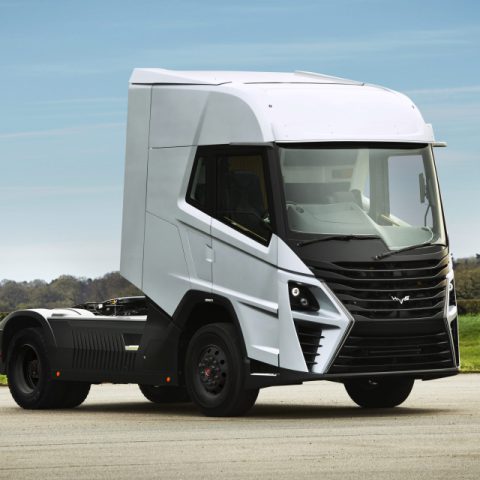
Hydrogen-powered heavy-duty vehicle specialist HVS (Hydrogen Vehicle Systems) have recently announced a new partnership established with Chinese company Guangzhou Hybot Technology. According to HVS, “the cooperation focuses on promoting hydrogen fuel cell trucks in the UK and EU through product, technical, and service collaboration“. A Memorandum of Understanding was signed earlier in August.
Both companies will leverage their respective strengths to co-develop innovative hydrogen-powered vehicles and optimise supply chain networks. The collaboration will focus on delivering high-performance, zero-emission commercial vehicles, enhancing safety, efficiency, and sustainability.
The brand-new cooperation announced by HVS
Hybot was founded in 2021 in Guangzhou, China. The company’s main target is to provide transportation capacity solutions and manufacturing hydrogen fuel cell commercial vehicles for the logistics industry.
“We are thrilled to embark on this journey with Hybot, this collaboration aligns perfectly with our mission to lead in the introduction of zero-emission fuel cell trucks. Together, we will develop solutions that meet the needs of operators looking to decarbonise their fleets”, stated Jawad Khursheed, CEO of HVS.
“Partnering with HVS enhances our ability to deliver cutting-edge global logistics solutions that are environmentally friendly and highly efficient. This MoU is a testament to our shared commitment to innovation and sustainability”, added Mr Zhu, Founder of Hybot.